Water Balance: Your Secret to Weight Loss
Discover how proper hydration transforms your metabolism and unlocks sustainable weight management through science-backed strategies.
Understanding Water's Role in Weight Management
Three fundamental ways hydration supports your wellness journey
Metabolism Activation
Water consumption directly influences your metabolic rate. When you drink sufficient water, your body's cells function more efficiently, burning calories through thermogenesis—the process of generating body heat. Some studies suggest that increasing water intake may temporarily boost metabolism, helping your body process energy more effectively.
Appetite Regulation
Thirst is often confused with hunger, leading to unnecessary calorie consumption. Proper hydration helps you distinguish between genuine hunger and thirst signals. Water fills your stomach, promoting satiety and reducing the urge to overeat. Drinking water before meals can help you consume fewer calories while feeling fully satisfied and nourished.
Toxin Elimination
Your kidneys and liver depend on adequate water to filter waste and maintain optimal function. When properly hydrated, your body efficiently removes metabolic byproducts and supports natural detoxification processes. This enhances your overall wellness, increases energy levels, and supports your body's natural ability to manage weight through improved organ function.
The Science Behind Hydration and Weight Loss
Water balance isn't just about drinking eight glasses daily. It's about understanding how your body uses water to regulate temperature, transport nutrients, cushion joints, and maintain cellular function. When you maintain optimal hydration, your metabolism operates at peak efficiency, and your body naturally supports healthy weight management.
The connection between hydration and weight loss runs deeper than popular diet myths suggest. Your digestive system requires adequate water to process food properly. Your muscles need water for contraction and recovery. Your brain uses water to regulate hunger hormones. Every system in your body depends on proper hydration to function optimally and support your wellness goals.
- Enhanced Energy Levels: Even mild dehydration causes fatigue and reduces exercise performance, making weight management harder.
- Improved Digestion: Water aids nutrient absorption and prevents constipation, supporting healthy metabolic processes.
- Natural Appetite Control: Drinking water regularly helps you avoid confusing thirst with hunger.
Your 7-Step Water Balance Journey
Transform your relationship with hydration and support sustainable weight management
Assess Your Baseline
Begin by understanding your current hydration habits. Track how much water you drink daily and note energy levels, appetite patterns, and any signs of dehydration like dry skin or headaches. This baseline helps you identify where improvements are needed and gives you a starting point to measure progress.
Calculate Your Needs
Individual water needs vary based on body weight, activity level, climate, and diet. A practical approach is to drink at least half your body weight in ounces daily, then adjust based on exercise, weather, and how you feel. Listen to your body and increase intake during physical activity and warmer months.
Create a Daily Schedule
Spread water intake throughout the day rather than drinking large amounts at once. Start with a glass of water when you wake up to activate your digestive system. Drink before, during, and after meals. Have water with each snack. Set reminders on your phone to maintain consistent hydration and establish a sustainable routine.
Monitor Your Progress
Keep a hydration journal to track daily water intake and observe changes in energy, appetite, and overall wellness. Note how increased hydration affects your exercise performance and recovery. Monitor changes in skin clarity and digestion. This awareness helps you stay motivated and make informed adjustments to your routine.
Optimize Meal Timing
Drink water 30 minutes before meals to naturally reduce portion sizes and support satiety. Avoid drinking excessive water immediately with meals, as it can dilute digestive enzymes. Resume hydration 30 minutes after eating. This strategic timing maximizes water's appetite-regulation benefits and supports healthy digestion throughout your day.
Enhance Your Water
If plain water feels monotonous, infuse it with fresh fruits, vegetables, or herbs. Add slices of lemon, cucumber, berries, or mint to increase palatability without significant calories. Herbal teas and water-rich foods like watermelon and cucumber also contribute to your daily hydration. The goal is consistency—choose methods that keep you drinking regularly.
Build Sustainable Habits
Consistency matters more than perfection. Establish hydration as a non-negotiable habit like brushing your teeth. Keep a water bottle with you throughout the day. Celebrate small wins as your body adapts. After 21-30 days of consistent hydration, proper water intake becomes automatic, supporting your long-term weight management and wellness goals.
Adjust & Evolve
Your hydration needs change with seasons, activity levels, and life circumstances. During intense exercise, increase water intake by 50-100%. In summer months, drink more than winter. As you age or change fitness routines, reassess your needs. Ongoing adjustment ensures your hydration strategy remains effective and aligned with your body's evolving requirements.
Practical Hydration Tips for Daily Life
Simple, actionable strategies to maintain optimal water balance
Morning Hydration Ritual
Start each day with a glass of water before coffee or breakfast. This rehydrates your body after 8+ hours of sleep, activates your digestive system, and jumpstarts your metabolism. Some people add a squeeze of lemon for additional vitamin C and digestive support. This simple habit sets a positive tone for consistent hydration throughout the day.
Portable Water Bottle
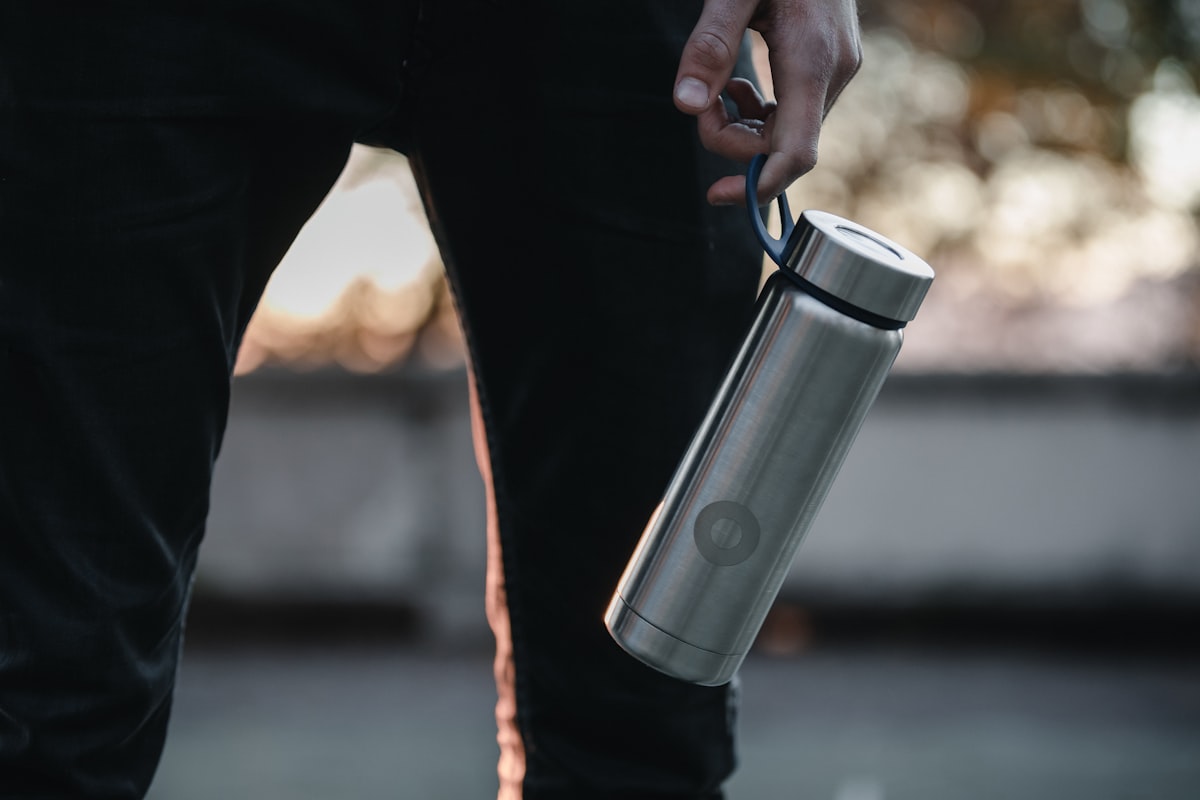
Carry a reusable water bottle everywhere you go. A 32-ounce bottle carried throughout your day makes it easier to track intake and stay hydrated. Keep it visible as a reminder to drink regularly. Refill it each morning and aim to empty it twice daily. This simple tool removes the barrier of inconvenience and makes consistent hydration effortless.
Water with Meals
Make water a standard part of every meal. Place a full glass at your table before eating. Sip water throughout your meal to support digestion and create a feeling of fullness. This habit reduces overall calorie consumption while improving nutrient absorption. Water with meals becomes second nature and contributes significantly to your daily intake goals.
Water-Rich Foods
Include water-rich foods in your diet to supplement liquid intake. Cucumbers, watermelon, strawberries, celery, and lettuce contain 80-95% water. Soups and broths contribute to hydration while providing nutrition. These foods provide fiber, vitamins, and minerals alongside water, making them excellent for overall wellness and water balance.
Set Phone Reminders
Use your smartphone to set hourly reminders to drink water. Start with reminders at 8 AM, 10 AM, 12 PM, 2 PM, 4 PM, and 6 PM. After several weeks, this becomes automatic and you can reduce reminders. Technology removes guesswork and helps establish consistent hydration as a core daily habit until it becomes natural.
Exercise Hydration
Increase water intake before, during, and after exercise. Drink 16-20 ounces two hours before activity, 7-10 ounces every 10-20 minutes during exercise, and 16-24 ounces for each pound lost through sweat afterward. Proper hydration during physical activity improves performance, aids recovery, and maximizes the benefits of your fitness routine.
What Our Readers Are Saying
Real stories from people who transformed their wellness through hydration
"The articles on water balance completely changed my approach to daily hydration. I've been following the strategies for three months now, and the difference in my energy levels and overall wellness is remarkable. I no longer confuse thirst with hunger, and I feel more in control of my eating habits. This content is genuinely helpful."
Sarah Mitchell
Manchester, UK
"I was skeptical that water alone could impact my weight management journey. After reading through the detailed explanation of metabolism and hydration, I started tracking my water intake properly. The results speak for themselves—better digestion, more consistent energy, and fewer cravings. The science-backed approach is what convinced me."
James Chen
London, UK
"The 7-step hydration journey is exactly what I needed to create sustainable habits. I particularly loved how the content emphasized gradual change rather than drastic measures. Combining water intake with the practical tips has become effortless. I appreciate that this platform focuses on education rather than quick fixes."
Emma Robertson
Birmingham, UK
"As someone who struggled with late-night snacking, understanding how water affects hunger hormones was a game-changer. The content explained everything clearly without overwhelming me with jargon. My sleep has improved, my skin looks better, and I genuinely feel healthier. Highly recommend exploring these resources."
David Thompson
Leeds, UK
Frequently Asked Questions
Answers to common questions about water balance and weight management
How much water should I drink daily for weight management?
There's no one-size-fits-all answer. A practical guideline is drinking half your body weight in ounces of water daily. For example, if you weigh 160 pounds, aim for 80 ounces. However, increase this amount based on physical activity level, climate, diet, and how you feel. During exercise, you'll need more. In warmer months, increase intake. The key is consistency and listening to your body's signals.
Can drinking water alone lead to weight loss?
Water is not a standalone solution but a crucial component of overall wellness. Proper hydration supports metabolism, reduces appetite confusion, and improves exercise performance. Combined with a balanced diet and regular physical activity, optimal hydration becomes a powerful tool. Think of it as creating the best conditions for your body to function efficiently, making weight management more achievable and sustainable.
Is it possible to drink too much water?
While rare, excessive water consumption without adequate electrolyte balance can cause issues. Avoid drinking more than 3-4 liters within a short period without replacing electrolytes. For most people following normal hydration guidelines, this isn't a concern. If you exercise intensely or live in extreme heat, ensure you also consume electrolytes. When in doubt, drink when thirsty and monitor how your body feels.
Does the type of water matter—tap, filtered, or bottled?
Clean water is the primary concern, not the source. Tap water in the UK is highly regulated and safe. Filtered water removes additional impurities but isn't necessary for most people. Bottled water is convenient but produces waste. The best choice is whichever type you'll drink consistently. A water filter at home is cost-effective if you prefer filtered water. Focus on consistency rather than the source of your hydration.
How do I know if I'm dehydrated?
Common signs of dehydration include thirst, dry mouth, fatigue, headaches, dark urine, and reduced urination frequency. Mild dehydration causes energy dips and brain fog. Your urine color is an excellent indicator—pale yellow suggests good hydration, while dark yellow indicates dehydration. However, some medications and foods affect urine color, so consider multiple signs. If you experience persistent symptoms, consult with a healthcare professional.
Do other beverages count toward my daily water intake?
Other beverages contribute to hydration but shouldn't replace pure water. Herbal tea, milk, and juice contain water and count toward intake, though some have added sugars or caffeine. Caffeinated drinks like coffee cause mild diuretic effects but still contribute net hydration. For weight management, plain water is ideal as it has zero calories. Make water your primary hydration source and view other beverages as supplements. This simple approach supports consistent daily intake.
Stay Updated with Hydration Insights
Subscribe to our newsletter for practical tips, research updates, and expert content on water balance and wellness.
We respect your privacy. Unsubscribe anytime.
Start Your Water Balance Journey Today
Explore our comprehensive articles on hydration, weight management, and wellness. Learn the science, discover practical strategies, and join thousands of readers transforming their health through proper water balance.